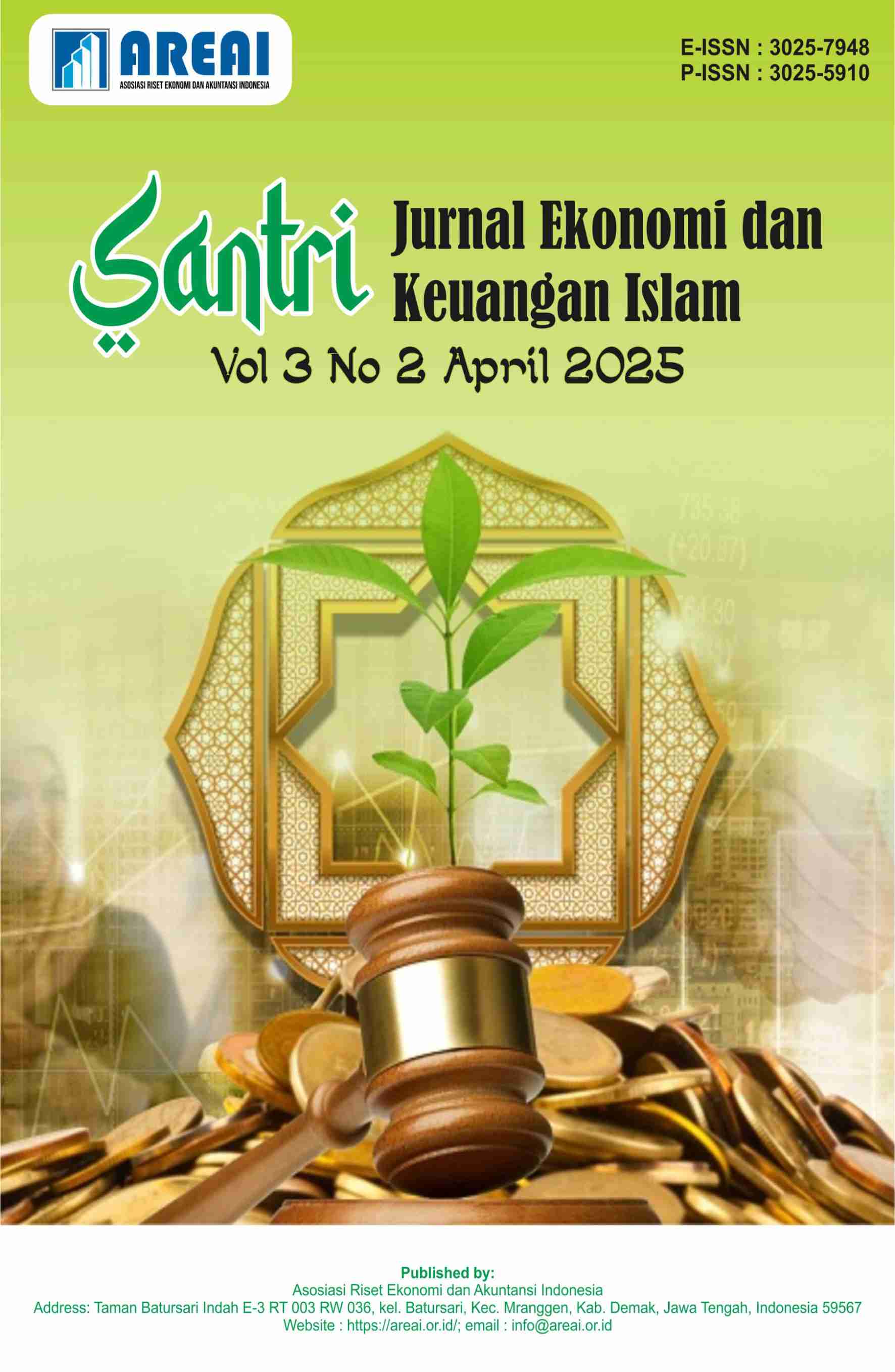
Peran Digitalisasi Dalam Meningkatkan Efektivitas Pembayaran Pajak Kendaraan Bermotor
(Studi Kasus Kota Binjai)
DOI:
https://doi.org/10.61132/santri.v3i3.1727Keywords:
Digitalization, Effectiveness, Motor Vehicle TaxAbstract
This study aims to determine the role of digitalization in increasing the effectiveness of motor vehicle tax payments in Binjai City. This study uses a descriptive qualitative approach with data collection including observation, interviews, and documentation. The informants in this study consisted of 1 key informant and 3 supporting informants. The results of this study show that there are still many taxpayers who have difficulties in understanding the registration flow, payment methods, and printing documents such as SKPD. The lack of clear guidance in the application as well as delays in the submission of physical documents are the main obstacles. Therefore, the tax office in Binjai City has made various efforts to increase the effectiveness of Motor Vehicle Tax (PKB) payments. One way is to develop digital services that allow taxpayers to pay taxes online, so that it is faster and more efficient. In addition, officers also provide information media such as banners, video tutorials, and conduct direct counseling to the village office to increase public understanding of the digital payment mechanism.
Downloads
References
Afrilyshiva, S. F. (2020). Efektivitas penerapan metode drive thru dalam pembayaran kendaraan roda empat di Badan Pendapatan Daerah Sulawesi Selatan (pp. 1–119).
Gunawan, L. M. (2021). Efektivitas E-Samsat dalam peningkatan pendapatan atas pemungutan pajak kendaraan bermotor di Samsat Bandung III Soekarno Hatta. 6681, 7, 151–160.
Hermawan. (2024). Implementasi mesin Samsat digital mandiri dan Samsat drive thru sebagai bentuk inovasi dari pelayanan pembayaran pajak kendaraan bermotor. 9(3), 89–107.
Kurniawan, D., & Prasetyo, A. (2023). Analisis efektivitas implementasi Samsat Digital Nasional dalam meningkatkan kepatuhan wajib pajak di Jawa Tengah. Jurnal Administrasi Publik Indonesia, 10(2), 112–121. https://doi.org/10.31289/japi.v10i2.1234
Makmur, S. S. (2021). Efektivitas pelayanan pemungutan pajak kendaraan bermotor melalui program Samsat Keliling pada Kantor Sistem Administrasi Manunggal Satu Atap (SAMSAT) Wilayah Takalar. Pharmacognosy Magazine, 75(17), 399–405.
Pratiwi, N. (2025). Efektivitas pelayanan pembayaran pajak kendaraan bermotor berbasis aplikasi Samsat Digital Nasional (SIGNAL) di Kabupaten Kuantan Singingi (pp. 1–23).
Sari, M. P., & Rahmawati, N. (2022). Transformasi digital pelayanan pajak daerah melalui aplikasi SIGNAL: Studi kasus di DKI Jakarta. Jurnal Ilmu Pemerintahan dan Kebijakan Publik, 6(1), 55–66. https://doi.org/10.25077/jipkp.v6i1.987
Sugiyono. (2021). Metode penelitian kualitatif. Jurnal Dinamika Ekonomi Pembangunan. https://doi.org/10.14710/jdep.1.3.35-45
Tayang, A. A. A. (2024). Pengaruh digitalisasi layanan pajak terhadap kepatuhan pajak dengan kewajiban moral sebagai pemoderasi (Studi kasus dosen Fakultas Ekonomi dan Bisnis Universitas Muhammadiyah Makassar). Αγαη, 15(1), 37–48.
Yuriska, N., Sitorus, B. R., Anggely, D., Damanik, B. R., & Nielwaty, E. (2025). Kepatuhan pembayaran pajak kendaraan bermotor pada Unit Pelaksanaan Teknis (UPT) Samsat Rumbai. 2(2019).
Downloads
Published
How to Cite
Issue
Section
License
Copyright (c) 2025 SANTRI : Jurnal Ekonomi dan Keuangan Islam

This work is licensed under a Creative Commons Attribution-ShareAlike 4.0 International License.